



Access to online entertainment keeps expanding, and so does the number of players joining online bingo games. Quick Pinoy bingo sessions during a break, longer play at home, or first-time tries on PAGCOR-licensed platforms such as GameZone all involve the same requirement: keeping an account protected. Enjoyment, promos, and game variety matter, yet account safety often determines whether play stays uninterrupted.
Many users spend time searching for the most entertaining bingo rooms, learning patterns and tactics, or looking for a reliable bingo game download. In comparison, security can feel secondary—until an account gets flagged, accessed by someone else, or becomes difficult to recover. Protection supports safer logins, shields personal details, and reduces the risk of unauthorized changes. Players using Bingo PH frequently benefit from a security routine that covers passwords, downloads, devices, and connection habits.
Why Account Security Deserves More Attention
A typical experience begins with a fast registration and a convenient password choice. Months can pass without issues, then a login attempt fails or an unexpected notification appears. Recovering access becomes stressful, especially when credentials have been reused elsewhere or when account details have been shared.
Many lockouts and access problems trace back to avoidable causes, including:
- weak passwords
- reusing the same password on several websites
- sharing login credentials with another person
- downloading apps outside official sources
- dismissing security prompts and notifications
Most of these issues reduce significantly through small, repeatable habits rather than complicated tech steps.
Player Behavior and the Convenience Trap
Security slips often connect to how people evaluate risk. Players commonly assume their account is unlikely to be targeted or delay improvements because “it works fine for now.” Convenience tends to win: one password for everything, saving logins on shared devices, or signing in through public networks.
Cybercriminals frequently depend on that pattern. Accounts with predictable logins or reused credentials remain easier to break into, especially when credentials from unrelated breaches circulate online. Integrating security into normal gameplay routines—similar to checking balance, reading prompts, or confirming app updates—supports safer access long-term.
Risk Assessment for Bingo PH Players
1) Weak Passwords (High Risk)
Simple passwords remain a major vulnerability. Common risky choices include:
- birthdays
- phone numbers
- names or nicknames
- sequences like 123456 or 000000
Better approach: create a unique password with a mix of uppercase letters, lowercase letters, numbers, and symbols. Longer passwords with unpredictable wording reduce guessing success.
2) Password Reuse (High Risk)
Using the same password everywhere creates a single point of failure. When one platform experiences a breach, attackers often test those leaked credentials on other services, including gaming accounts.
Better approach: assign a dedicated password specifically for the Bingo PH account and avoid using it anywhere else.
3) Unofficial Bingo Game Downloads (High Risk)
Search results for “bingo game download” sometimes lead to unofficial sites that distribute modified or unsafe installers. These apps may include trackers, vulnerabilities, or malicious code that captures logins.
Better approach: rely only on official download channels and verified platform pages. Avoid third-party APK links and “modded” versions.
4) Shared Account Access (Moderate Risk)
Sharing login details with family or friends increases risk of unauthorized purchases, mistaken changes, or activity that triggers security checks. It can also complicate support requests if multiple people access the same profile.
Better approach: keep credentials private and create separate accounts where possible.
5) Public Wi-Fi Logins (Moderate Risk)
Public networks in cafes, malls, and transit hubs can be unsafe, especially when authentication pages or traffic get intercepted.
Better approach: avoid logging in through unsecured networks. Prefer a trusted home connection or mobile data when accessing accounts.
Expert Security Tips for Bingo PH Users
Create and Maintain a Strong Password
A strong password strategy typically includes:
- length (longer tends to resist brute-force attempts)
- uniqueness (no reuse across sites)
- unpredictability (no personal details or simple patterns)
- one-account use (dedicated per platform)
Password managers help generate complex passwords and store them securely, reducing the temptation to reuse simple ones.
Enable Additional Security Features
Platforms that offer extra verification tools provide stronger protection against unauthorized access. Additional layers reduce account takeover attempts even when a password becomes exposed.
Review Account Activity Regularly
Account monitoring helps spot suspicious behavior early. Check for:
- unfamiliar login attempts or new devices
- unexpected profile edits
- changes in email, phone number, or settings
- unusual game or transaction activity
Early detection limits damage and improves the chance of quick recovery.
Update Credentials Periodically
Password changes every so often reduce long-term risk, especially for accounts created years ago or accounts that may have used older, weaker passwords.
A periodic schedule supports security without requiring constant updates.
Protect the Device Used for Playing
Account protection depends on device health. If a phone or PC is infected or outdated, even a strong password may not stop credential theft.
Helpful habits include:
- updating the operating system
- keeping browsers and apps current
- installing updates that include security patches
- using updated security software where appropriate
Security Best Practices for Bingo Games on GameZone
GameZone users often enjoy the convenience of accessing several entertainment options inside one ecosystem—bingo card games, other game categories, and platform features. Extra clicking and frequent switching between sections can increase risk when logins remain saved on shared devices or when downloads come from unofficial links.
Common safety habits used by experienced players include:
- downloading apps only from official sources
- never sharing usernames, passwords, or verification codes
- logging out on shared or public devices
- checking account activity and notifications regularly
- using strong and unique passwords
- following responsible gaming guidelines
Eligibility reminders also apply: GZone services are typically available for players aged 21 and up.
Responsible Gaming and Account Security
Responsible gaming practices often support better security. Players who manage sessions carefully tend to check their accounts more often and notice unusual activity faster. Following platform rules, reading prompts, and staying aware of login notifications also strengthens overall account habits.
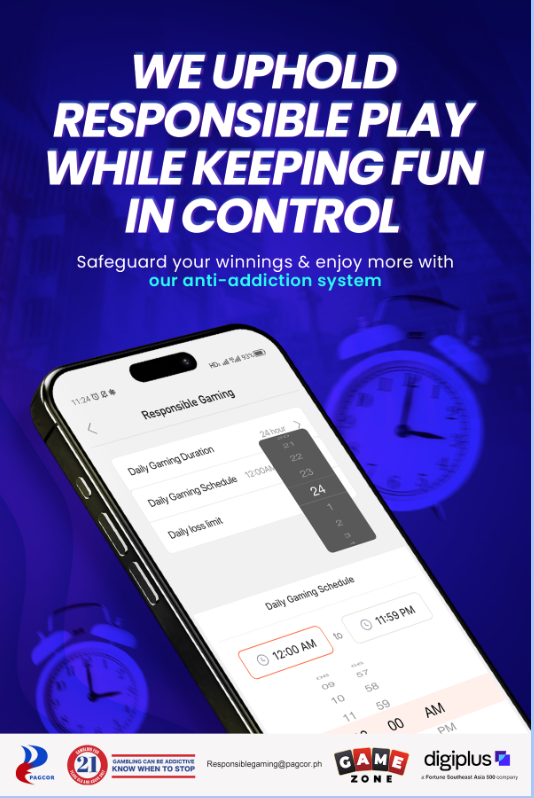
Better self-monitoring often leads to quicker detection of suspicious changes, fewer rushed logins, and improved consistency with security routines.
Frequently Asked Questions
Why is account security important for Bingo PH players?
Protection covers personal information, login credentials, and access to gaming services.
What is the most common security mistake?
Weak passwords and reused passwords across multiple websites.
Is sharing an account with friends or family safe?
Sharing credentials increases unauthorized access risk and can create account disputes.
Where should bingo game apps be downloaded?
Official platform sources and verified channels for authenticity and safety.
Can public Wi-Fi affect account security?
Unsecured networks can expose sensitive data and increase attack risk.
How often should account activity be reviewed?
Periodic monitoring helps detect unusual logins or changes early.
Does responsible gaming help improve account security?
More frequent monitoring and guideline-following often lead to earlier detection of potential